Undergraduate Program in Environmental Engineering
Build the engineering knowledge and practical skills to address environmental challenges.
Program Overview
The Undergraduate Program in Environmental Engineering at ITB prepares graduates with engineering, analytical, and innovation capabilities in environmental management.
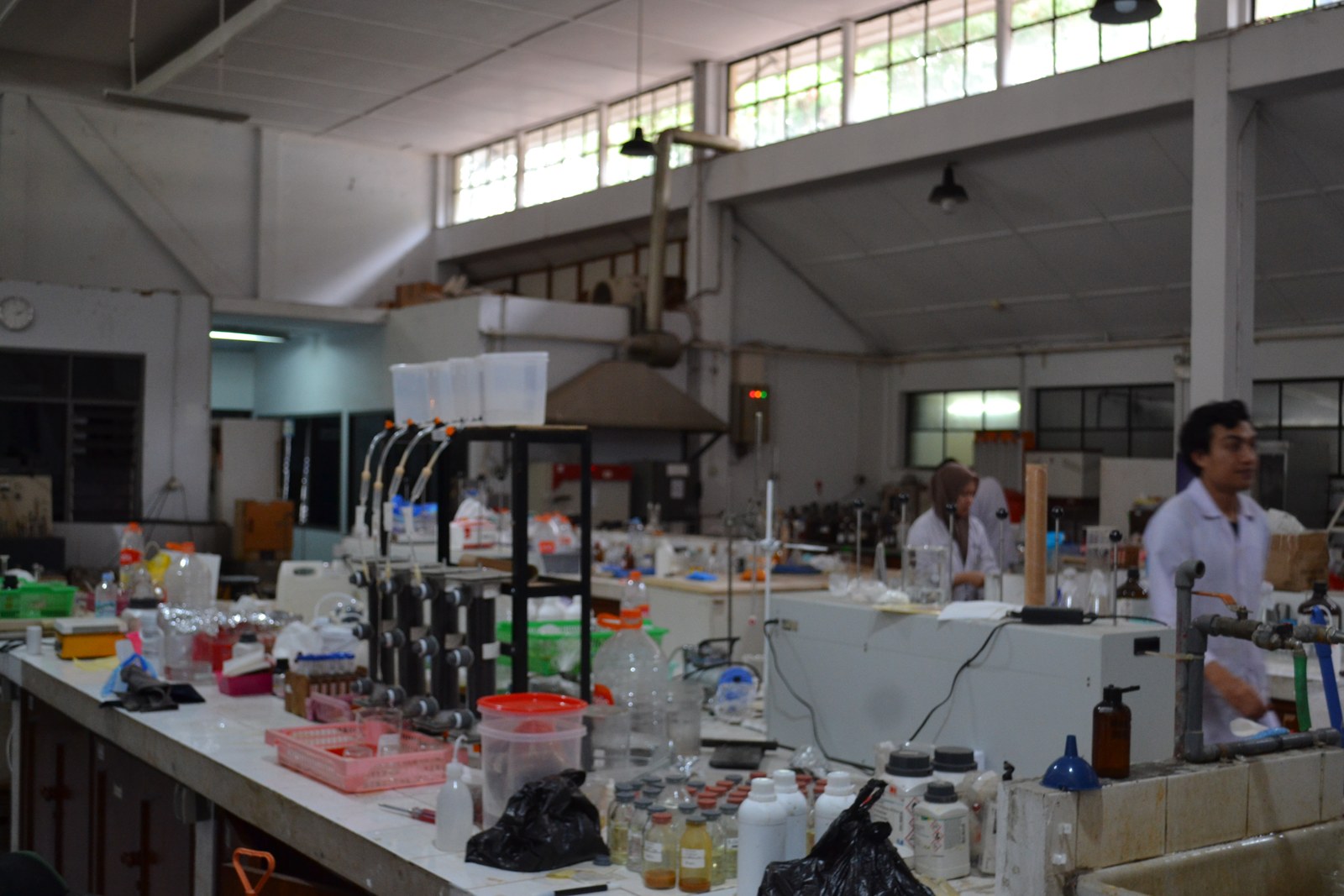
Students gain theoretical knowledge and practical skills to design, operate, and manage systems related to clean water, waste, air pollution, solid waste management, and sustainable technologies.
Graduates are expected to demonstrate academic excellence, integrity, and a commitment to environmental sustainability, enabling them to contribute in industry, government, consulting, research institutions, and international organisations.
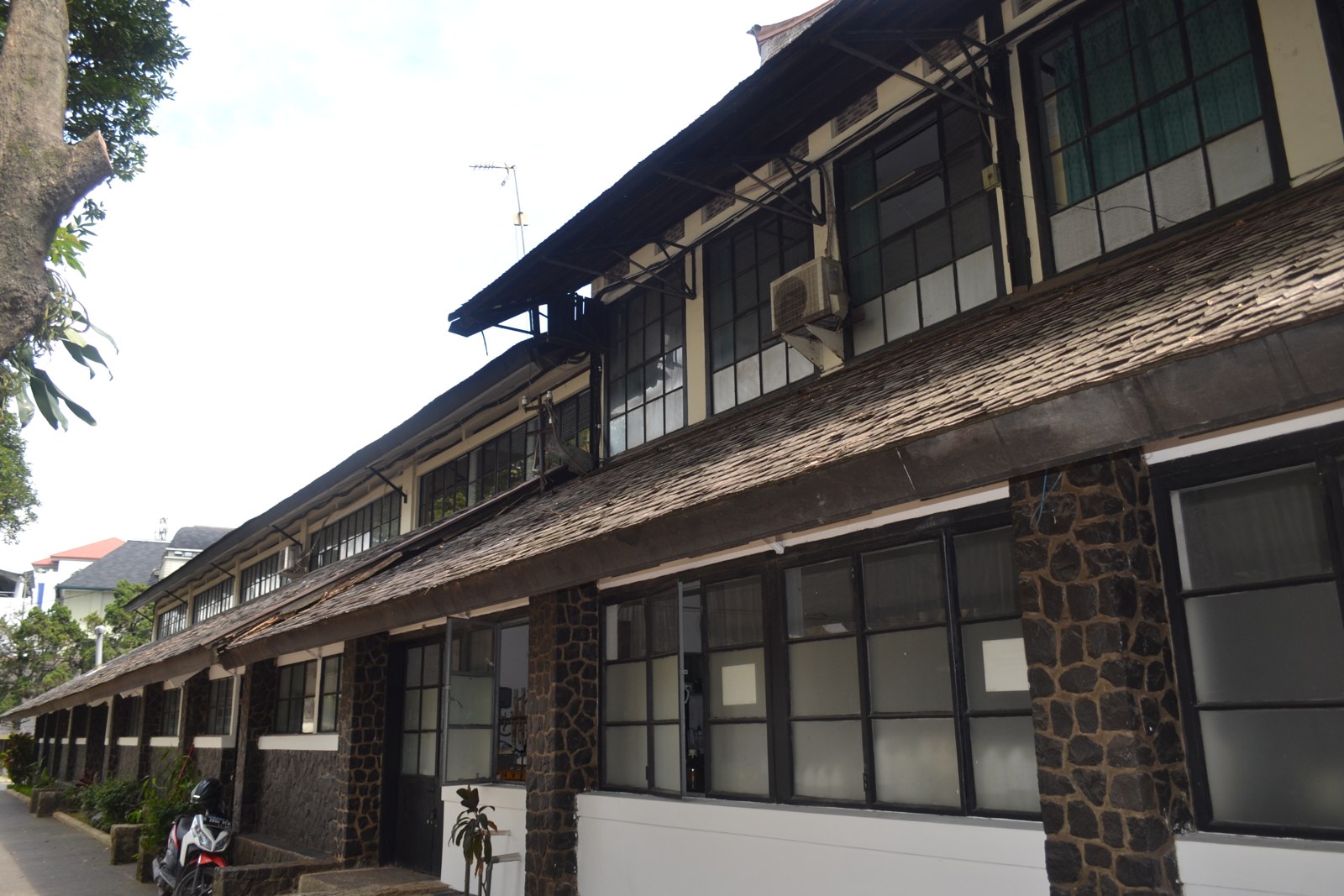
The Undergraduate Program in Environmental Engineering is based at ITB Ganesa Campus in Bandung.
Vision
To become an excellent and internationally recognised undergraduate environmental engineering program in education, research, and community service, supporting sustainable development.
Mission
Research-informed Education
Provide high-quality environmental engineering education grounded in current research.
Competent & Ethical Graduates
Produce competent, innovative, and ethical graduates who can solve environmental problems.
Research & Innovation
Develop research and technological innovation to support sustainable environmental management.
National & International Collaboration
Build collaboration with stakeholders at national and international levels.
Achievements & Recognition

 IABEEInternational accreditation · Indonesian Accreditation Board for Engineering Education
- Collaboration with international universities and research institutions.
- Winners of national and international environmental technology innovation competitions.
- Active contributions to the formulation of national environmental policy.
Educational Objectives
Engineering Knowledge
Produce environmental engineering graduates who master the principles of environmental engineering science.
Critical & Creative Thinking
Equip graduates with critical, creative, and analytical thinking skills to address environmental problems.
Professional Ethics
Foster professional awareness and ethical conduct in environmental work.
Graduate Outcomes
Graduates of the Undergraduate Program in Environmental Engineering at ITB are able to:
Apply Knowledge
Apply knowledge of mathematics, science, and engineering in environmental engineering.
Design Systems
Design and implement effective, sustainable environmental management systems.
Solve Problems
Identify, analyse, and creatively solve environmental problems.
Communicate
Communicate effectively in professional settings, both orally and in writing.
Collaborate
Work in multidisciplinary and multicultural teams.
Professional Responsibility
Understand professional responsibilities and the impacts of engineering solutions on the environment and society.
Lifelong Learning
Continue developing through lifelong learning.
Curriculum Structure
The undergraduate curriculum spans 8 semesters (4 years), with a total study load of 144 SKS (Indonesian credits), covering:
General Courses
Mathematics, Physics, Chemistry, Indonesian Language, Pancasila Education, and Religious Education.
Engineering Fundamentals
Fluid Mechanics, Thermodynamics, Engineering Statistics, and Soil Mechanics.
Specialist Courses
Water Treatment, Wastewater Treatment, Air Pollution Control, Solid Waste Management, Environmental Microbiology, and Environmental Impact Assessment.
Elective Courses
Renewable Energy Technology, River Engineering, Biogas Technology, and Soil Remediation Technology.
Final Project
Independent research in environmental engineering.
Laboratory & Fieldwork
Developing practical skills through direct field experience.