Published 2025-08-08
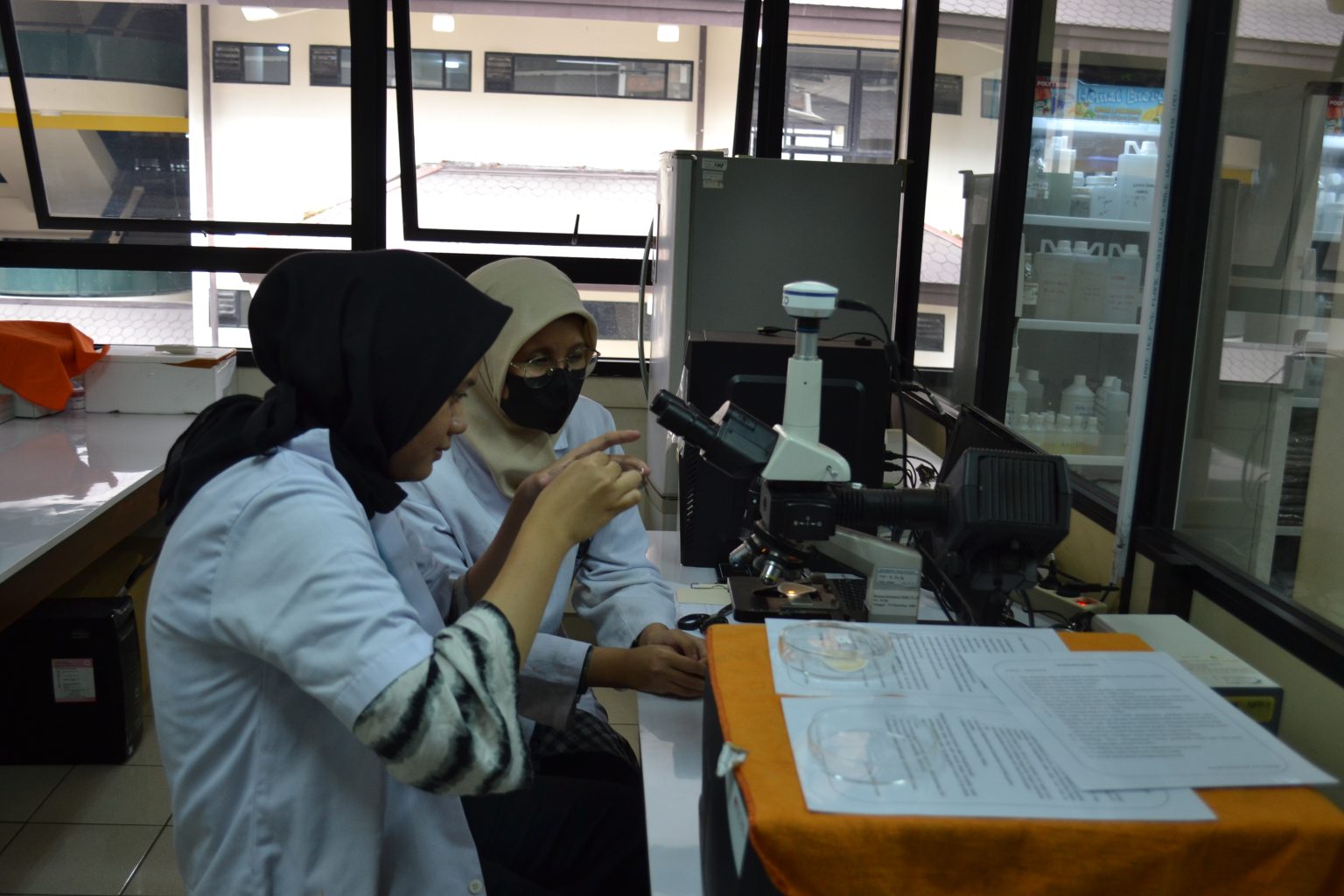
A persistent myth about doctoral education is that it is primarily a test of intelligence. A session in the FTSL Graduate School Seminar Series, featuring ITB Environmental Engineering doctoral student Elprida Agustina, challenged this assumption. A PhD also involves mental resilience, emotional strength, and relationships with others and oneself.
The session’s do’s and don’ts were reminders drawn from Elprida’s experience, rather than rigid rules: ways to remain human throughout a long academic journey marked by uncertainty.
Do Not Wait Until You Feel Ready
Doctoral students can fall into the belief that writing or submitting an article should wait until everything is completely clear. Yet clarity often emerges after work begins. Collecting data, analysing, writing, submitting manuscripts, and responding to revisions rarely follow a straight line, and almost never feel entirely ready. Excessive hesitation can reflect misplaced perfectionism rather than academic care.
Feeling Lost Does Not Mean Failing
One of Elprida’s slides captured the message that feeling lost does not mean one is failing. Long periods of uncertainty, including questioning what one is actually doing, are common in doctoral study.
Struggling does not mean a student does not belong in a PhD program. It can be part of its central work: living with uncertainty, learning to ask better questions, and reconsidering previously held assumptions.
A PhD Is Part of Personal Life
Doctoral study cannot be separated from personal life. Family responsibilities, health challenges, and emotional transitions unfold alongside academic targets. Ignoring these circumstances does not make a PhD more efficient; it can make the process more fragile.
Make Full Use of Being a Student
Student status is not a lesser position. It creates opportunities for conference discounts, student awards, workshops, training, exchanges, and space to learn without already being perfect. Seeking mentors and collaborating across disciplines and perspectives are part of becoming an independent academic, rather than distractions from a PhD.
Elprida closed with a grounded reminder: a good PhD is one completed without losing yourself. For the program, doctoral education is about more than dissertations and publications. It develops researchers who think critically, navigate complexity, manage failure, and continue contributing after graduation. A PhD is not the final destination, but training and a licence to conduct independent research.